
History of the Native Americans
Very few subjects in American history are as full of contradictions, fantasy and misplaced nostalgia as that of the history of the Native Americans. I have spent a significant portion of my adult years researching tribes and their associated culture and history.
This website represents the fullness of what I’ve learned and will grow as I continue to learn. It’s important to understand tribal people in historical context, because our “modern” society too casually paints indigenous populations with a monochromatic brush.
And this is dangerous with American Indians, because their origins and spirituality and symbols and music and art are quite diverse across the panorama of tribes recognized throughout North America.
My own family history is woven together by two prominent tribes, and so a great deal of information has been passed down to me through informal conversations and the sharing of various documents over the years. Very little of this is authoritative, but what it did was ignite my interest in the larger subject of Native American history.


My fascination with various cultural distinctions among tribes led inevitably to a curiosity about the history of interactions between early European settlers and American Indians.
Throughout history, from Christopher Columbus to modern U.S. policy, war and famine have plagued Native American tribes across plains and mountains. To understand their experiences without the biased lens of most historians, we must scrutinize the battles and policy decisions made by our states and the federal government.
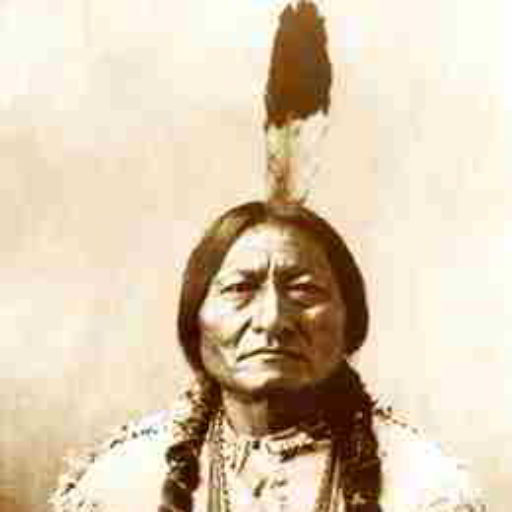
School textbooks have presented a sanitized version of First Nation peoples’ history to millions of children. Thus, it’s crucial to examine the true motives behind actions taken by presidents like Andrew Jackson and the controversial Bureau of Indian Affairs – actions that often had disastrous consequences for Native American families and their resources.
I’ve written also about Indian reservations, both where they stand currently, as well as their historical creation. It represents a history of betrayal, violated terms and rights, littered with starvation and poverty that many find hard to believe exist in America today.
But no story about American Indians begins with the United States. Long before Europeans discovered the eastern seaboard, tribes were flourishing in a land full of agriculture and buffalo, beauty and simplicity.
This led to intricate artwork, moving music, celebrated jewelry and a tapestry of symbolism and spirituality that is still being unearthed by archaeologists thousands of years later. There was a thriving system of language, education, architecture and community that is rarely discussed outside of a museum or library.
Look Up Native American Tribal Histories
Already on this site, you’ll find tribal histories summarized for the Sioux, Navajo, Apache, Cherokee, Chippewa, Choctaw, Iroquois, Pueblo, Creek and Blackfeet nations. There’s also a master list of tribes that you can use to learn more history. There will soon be more covering the Comanche, Seminole, Iroquois and a host of other tribes both large and small.
We have a full video section, recommendations on books that are not tainted by revisionist scandal, and resources for students about a wide array of subjects that are often covered poorly in school systems. This has included balanced articles about the Indian Reorganization Act, the Wounded Knee massacre, and a full series about the Trail of Tears.
Our weakest area to date has been in covering current American Indian news, but we are increasing our staff to give that the attention it deserves. Your input is both welcomed and anticipated. I acknowledge that “the story” of these Native American tribes is way beyond my current knowledge and imagination, but with your help, we can see it all unfold here over time.